Reduce Screen Time for Kids: 7 Proven & Powerful Solutions That Actually Work
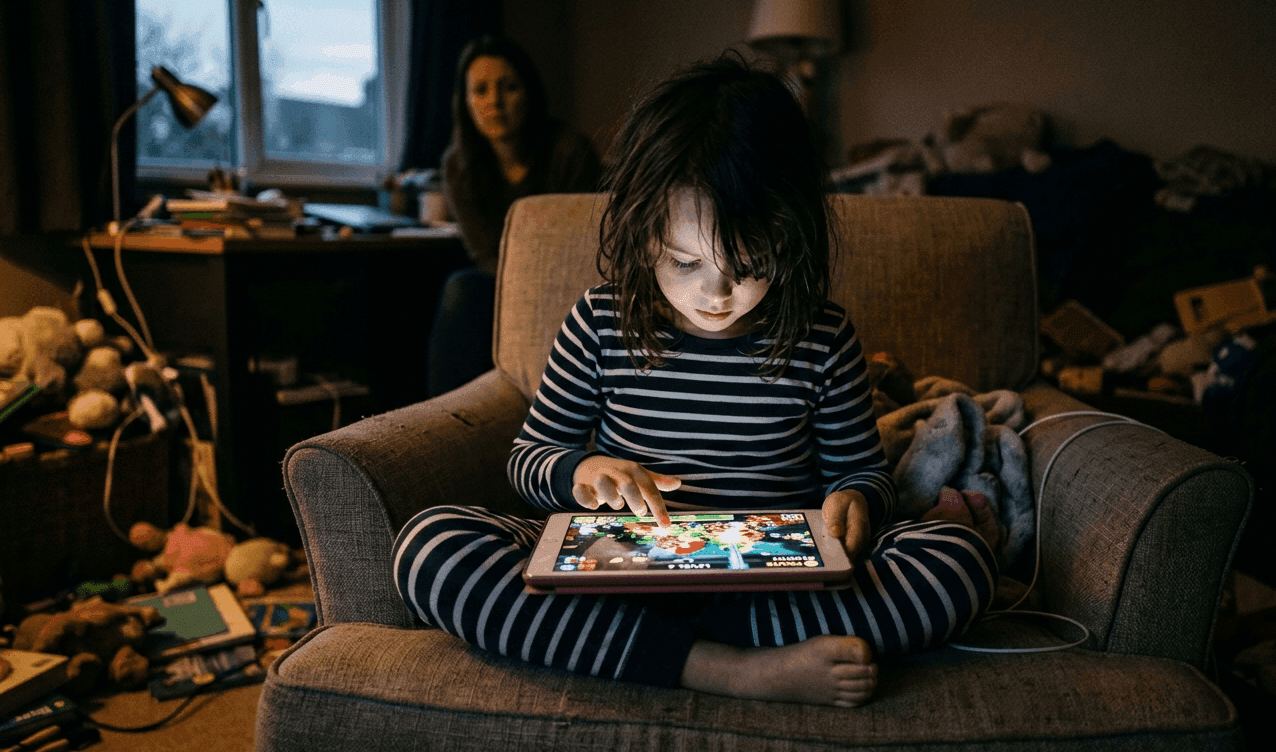
Reduce screen time for kids starting today, and you will unlock a world of creativity, energy, and better behavior in your home. As modern parents, we are all facing a very familiar, exhausting battle. You hand over the tablet so you can cook dinner in peace, or you turn on the TV to calm a tantrum. Before you know it, an hour has passed. When you finally ask for the device back, the meltdown that follows leaves you feeling defeated, guilty, and entirely drained. You are not alone in this struggle. Screen addiction is a genuine crisis affecting families globally, robbing our children of essential physical activity and emotional regulation. The glowing screens are engineered to keep little eyes glued, making the transition back to the real world incredibly jarring for a developing brain. But there is hope, and the solution does not require you to become the “bad cop” every single day. By shifting focus toward
healthy habits for kids and introducing engaging physical challenges, you can naturally guide them away from digital dependency. In this comprehensive guide, we will explore exactly how to break the digital spell. We will dive deep into why screens are so captivating, how to spot the red flags of addiction, and most importantly, how to solve the problem. We will introduce you to the best
kids screen time alternatives that will transform your living room into a hub of healthy, active, and independent play.
Why Too Much Screen Time is Harmful for Kids
It is easy to brush off an extra hour of cartoons, but the cumulative effect of daily screen time has profound impacts on a child’s development. When children stare at screens, their brains are flooded with artificial dopamine. This creates a loop of instant gratification that the real world simply cannot compete with. According to the
World Health Organization (WHO), sedentary behavior linked to screen time is a leading cause of childhood obesity and delayed motor skill development. Screens do not require kids to balance, reach, or jump. They require zero physical effort, leading to a dangerous lack of physical activity during their most crucial growth years. Beyond the physical toll, excessive screen time severely disrupts sleep patterns. The blue light emitted by tablets and TVs suppresses melatonin production, making bedtime a nightmare. Furthermore, early childhood development experts at
UNICEF emphasize that passive screen viewing hinders cognitive development, empathy, and social skills. Children learn best by interacting with their physical environment, touching different textures, and calculating physical risks. Screens deprive them of this three-dimensional learning.
Signs Your Child Has Screen Addiction
How do you know if it is just a harmless habit or a full-blown dependency? It is crucial to
reduce screen addiction children face before it alters their personality. Here are the practical, everyday signs that your child might be overly dependent on digital devices:
- Severe Tantrums: Extreme emotional outbursts, screaming, or aggression when a device is taken away.
- Loss of Interest: Traditional toys, coloring books, and outdoor play no longer hold their attention.
- Sneaking Devices: You find them hiding with a tablet under the covers or waking up early just to watch TV.
- Constant Talking About Shows: When they are not watching screens, they are only talking about video games or YouTube characters.
- Mood Swings: Noticeable irritability, lethargy, or anxiety when they are disconnected from Wi-Fi.
If you recognize these behaviors, do not panic. The developing brain is highly adaptable, and with the right strategy, you can successfully
reduce screen time for kids and restore their natural curiosity.

7 Proven Ways to Reduce Screen Time for Kids
Telling a child “no more screens” without offering a compelling alternative is a recipe for disaster. You need a structured, proactive approach. Here are seven powerful strategies to help you navigate this transition smoothly and build
healthy habits for kids.
1. Set Clear and Consistent Screen Limits
The first step to
reduce screen time for kids is establishing non-negotiable boundaries. Ambiguity leads to arguments. The
American Academy of Pediatrics (AAP) recommends avoiding digital media for toddlers younger than 18 to 24 months, other than video chatting. For children aged 2 to 5, limit non-educational screen time to about 1 hour per weekday and 3 hours on the weekend days. Use visual timers, like a sandglass or a color-changing clock, so your child can physically see the time running out. This removes you as the “bad guy” and shifts the blame to the clock.
2. Create a Predictable Daily Routine
Children thrive on predictability. When they do not know what is happening next, they default to asking for the TV or tablet. Create a visual schedule using pictures. Show them when it is time to eat, when it is time to play independently, and when it is time for screens. When screen time is scheduled (for example, only at 4 PM while dinner is prepped), they will stop asking for it at 9 AM. This simple structural change significantly reduces anxiety and helps establish lifelong positive habits.
3. Replace Screens with Engaging Physical Play
You cannot remove a highly stimulating activity like screen viewing and replace it with a boring one. You must offer high-value
kids screen time alternatives. Physical play is the absolute best substitute. When children move their bodies, they release endorphins, which naturally counteract the withdrawal from digital dopamine. Create an environment that invites movement. If your living room only has a couch facing a TV, that is what they will want to do. By adding dynamic, physical elements to your home, you change the default behavior from passive sitting to active exploration.
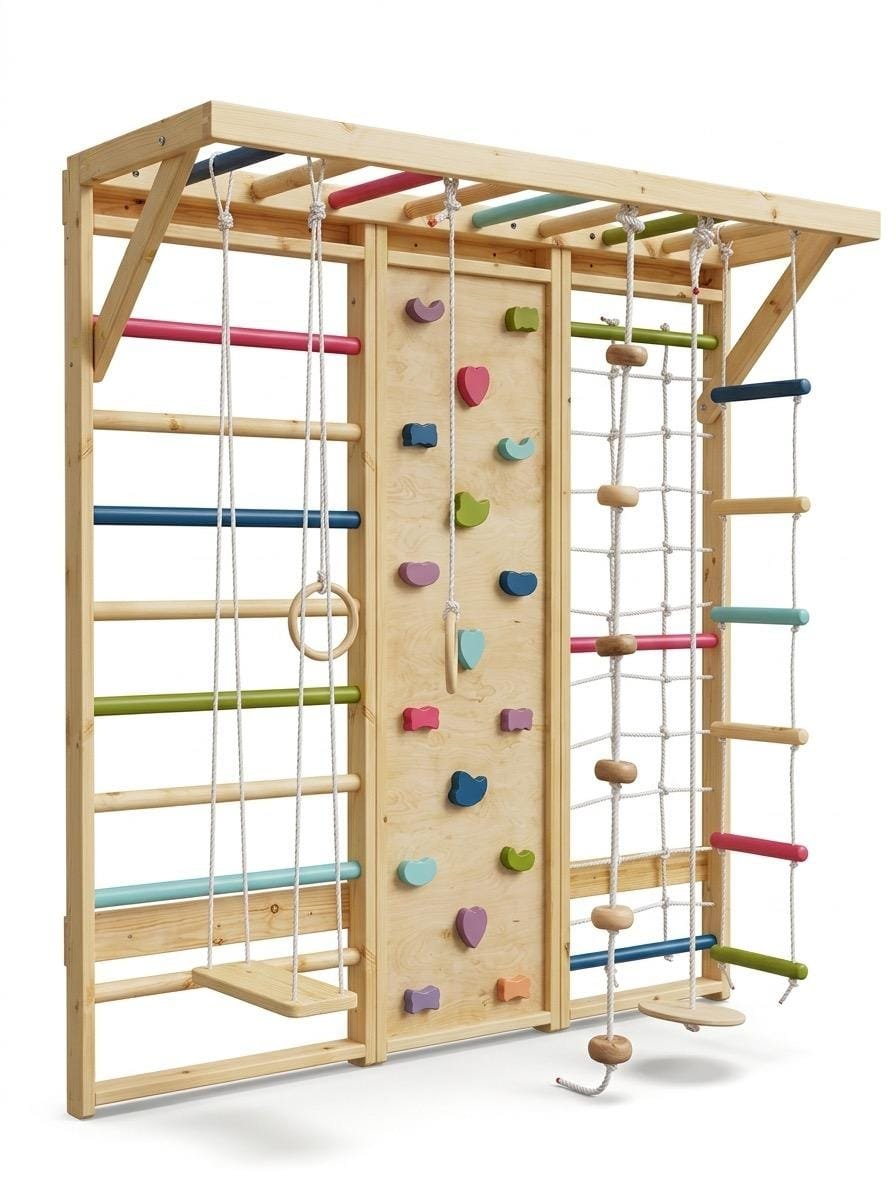
4. Introduce Climbing and Active Toys (The Ultimate Solution)
When searching for the best
indoor activities for kids at home, nothing beats the power of a dedicated climbing frame. Indoor climbing toys are the secret weapon for parents looking to
reduce screen time for kids. They provide the thrilling, full-body sensory input that children crave.
The Incredible Benefits of Climbing:- Burns Boundless Energy: A climbing frame acts as an indoor playground, allowing kids to exhaust their physical energy safely, leading to easier bedtimes.
- Improves Deep Focus: Navigating rungs and calculating steps requires intense concentration, helping to rebuild the attention span that screens destroy.
- Builds Unshakeable Confidence: Reaching the top of a climber provides a massive, natural dopamine hit and a genuine sense of self-achievement.
- Develops Proprioception: It teaches children where their bodies are in space, enhancing coordination and balance.
If you are ready to make the switch, integrating high-quality wooden climbers into your home is easier than you think. Here are three phenomenal options that naturally encourage active play:
The Climbing Set Pro: This is an essential starting point. It offers a perfect balance of challenge and safety. Because of its versatile design, children will naturally gravitate towards it instead of the tablet. It fits beautifully into a living room corner, silently inviting your child to climb, slide, and explore.
The Kids Gym Pro: If you are looking to completely
reduce screen addiction children experience, this setup is a game-changer. It is a comprehensive movement station. When kids have access to rings, ladders, and slides inside their own home, the allure of a video game drops significantly. It transforms stagnant indoor time into a dynamic physical education session.
The Jungle Adventure Set: For families serious about maximizing
indoor activities for kids at home, this is the ultimate investment. It offers a 360-degree play experience. Children can invent endless imaginative scenarios—turning the frame into a pirate ship or a jungle canopy—which fosters deep, sustained independent play without a screen in sight. By bringing the playground indoors, you are providing a tool that actively competes with digital entertainment and wins.

5. Encourage Creative and Sensory Activities
Aside from gross motor play, fine motor and sensory activities are fantastic for keeping little hands busy and away from touchscreens. Set up a permanent “creation station” in your home. Stock it with playdough, kinetic sand, washable paints, and building blocks. Sensory play is highly therapeutic and helps regulate the nervous system, which is especially helpful if your child is detoxing from heavy screen usage. Rotate these toys weekly so the options always feel new and exciting to your child.
6. Prioritize Meaningful Family Engagement
Often, children ask for screens simply because they are bored or seeking connection. We use screens as babysitters, but what kids truly want is our attention. Dedicate just 15 to 20 minutes a day to uninterrupted, child-led play. Let them choose the game, and put your own phone away. Whether it is building a fort, playing a simple board game, or letting them “help” you cook dinner, this focused connection fills their emotional cup. When a child feels deeply connected to their parents, their desire to zone out in front of a screen dramatically decreases.
7. Implement a Positive Reward System
Instead of punishing your child for wanting screens, reward them for choosing active play. Create a visual sticker chart. Every time they choose an
active indoor activity over watching a show, they get a sticker. After collecting a certain number of stickers, reward them with a special family outing, like a trip to the park, a new book, or a late bedtime on a weekend. Positive reinforcement is far more effective in building long-term
healthy habits for kids than constant nagging and restriction.
Benefits of Replacing Screen Time with Active Play
When you successfully
reduce screen time for kids, the transformation in your household is almost magical. Within just a few weeks of swapping tablets for climbing frames and active play, parents report seeing a completely different child. First, their sleep quality improves drastically. Without the blue light and the sedentary hours, their bodies are naturally tired at night, making bedtime peaceful rather than a battle. Second, you will notice a massive reduction in behavioral issues. The whining, the tantrums, and the mood swings begin to fade as they regulate their emotions through physical movement. Finally, their imagination blossoms. Without a screen dictating the narrative, children learn to invent their own games, solve their own problems, and entertain themselves independently.
Frequently Asked Questions (FAQ)
How many hours of screen time is too much?
Experts generally agree that children under 18 months should have zero screen time (except video chatting). For children aged 2-5, it should be limited to one hour of high-quality programming per day. If your child is spending multiple hours a day passive viewing, it is time to intervene and reduce screen time for kids.What are the best alternatives to screens?
The best kids screen time alternatives involve heavy work and gross motor skills. Indoor climbing toys, obstacle courses, sensory bins, and building blocks are excellent choices. The goal is to provide activities that are open-ended and require the child to actively participate rather than passively consume.Are indoor climbing toys safe?
Yes, absolutely. High-quality wooden climbing toys are designed with specific safety standards, rounded edges, and non-toxic finishes. They are built close to the ground to allow for safe risk-taking. Always place a soft play mat underneath the climber and supervise young children during use to ensure maximum safety.Conclusion: Take Back Your Child’s Playtime
Choosing to
reduce screen time for kids is one of the most impactful parenting decisions you can make this year. It will not be perfectly easy on day one. There will be pushback, and there will be moments of frustration. But stay consistent. By setting boundaries and replacing digital pacifiers with enriching
indoor activities for kids at home, you are giving them a priceless gift. You are giving them back their childhood, their imagination, and their physical health. You are teaching them how to live in the real world. Do not wait for the screen addiction to get worse. Start today. Clear a space in your living room, set up a
dynamic play environment, and watch your child thrive.
Ready to make the switch from screens to active play?
Explore active play solutions for your kids and transform your home into a healthy development zone.
Discover Our Climbing Sets Today Free Shipping and Cash on Delivery orders